October 15, 2026
In the automotive industry, the demand for efficient and effective repair solutions has risen consistently. Traditional dent repair methods often involve lengthy processes and are highly labor-intensive, requiring the use of body fillers, sanding, and completely repainting the damaged panels. Paintless dent repair emerges as a revolutionary alternative, offering a streamlined process that minimizes the need for body fillers and paint. This technique targets small to medium dents using specialized tools to manipulate the metal back to its original form. By understanding the significant advantages of paintless dent repair, car owners can confidently choose a compelling option seeking faster and more convenient vehicle restoration.
Understanding Paintless Dent Repair
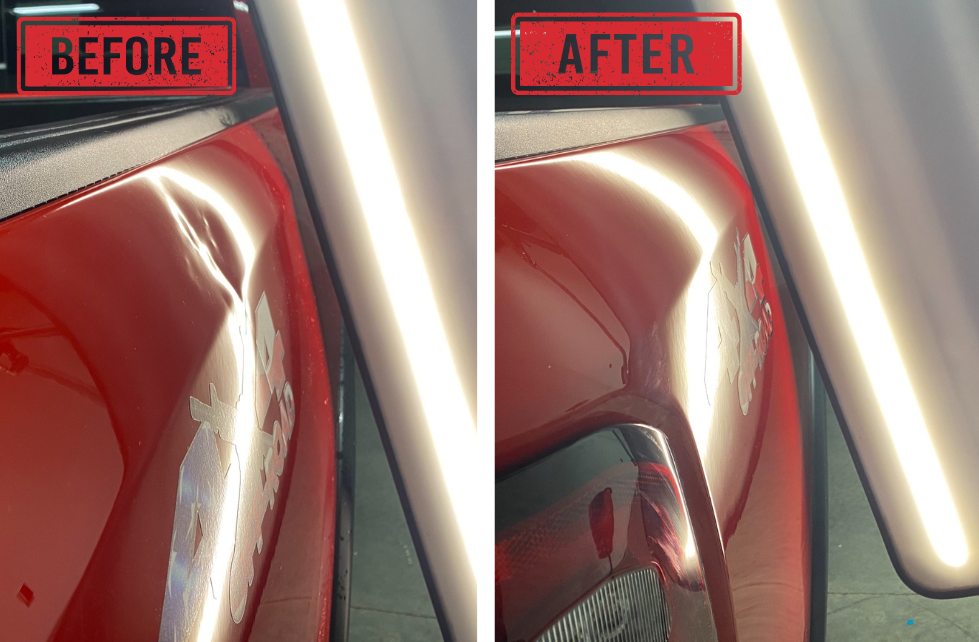
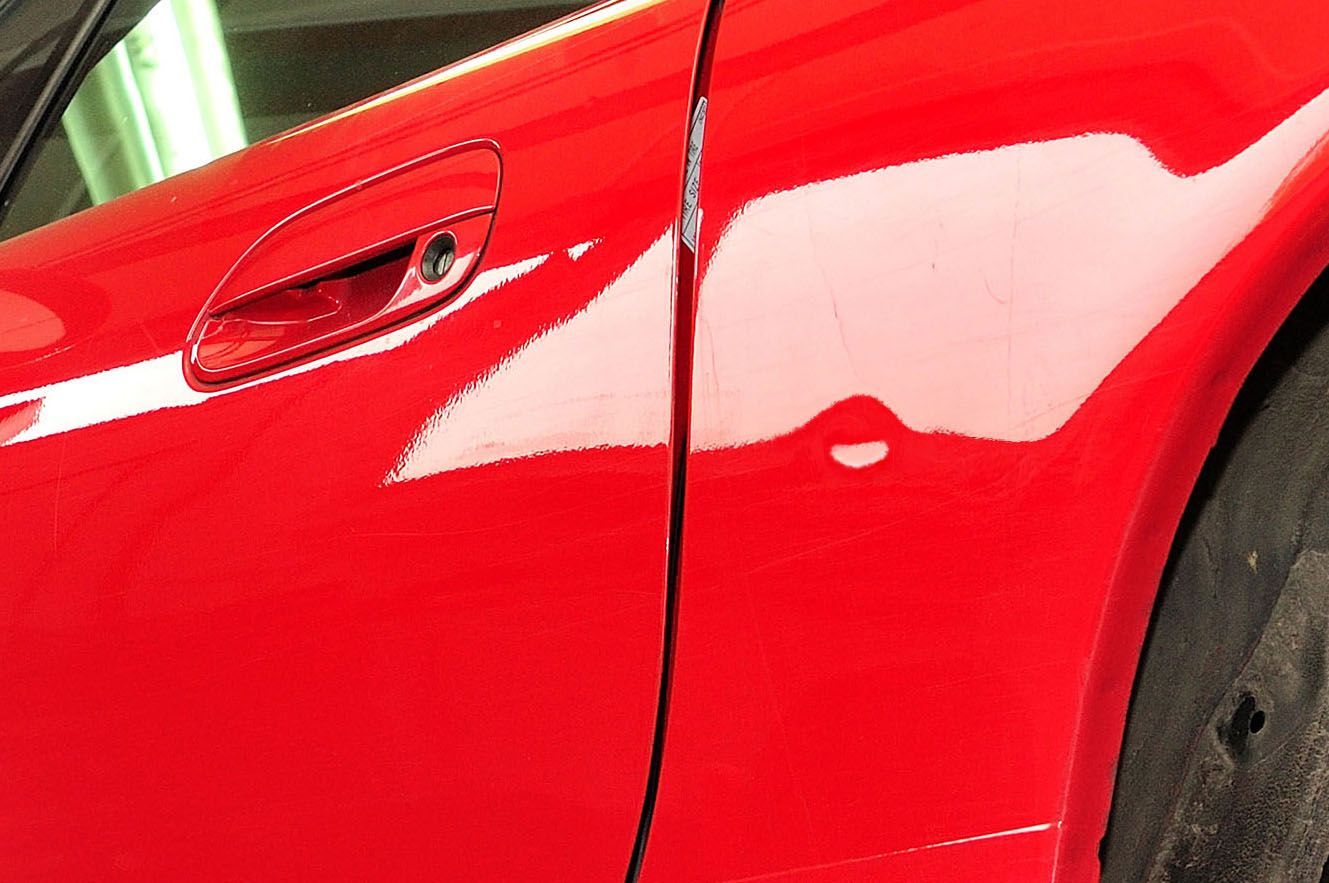
Paintless dent repair is a specialized automotive technique that focuses on removing minor dents and dings from a vehicle's body without the need for repainting. By using a variety of metal rods and body picks, technicians gently push the metal back into its original shape from behind the panel. Another approach involves glue pulling, where specialized glue attaches tabs to the exterior dented area, which are then pulled back into shape using lifters. This precise manipulation ensures that the vehicle's original paint remains entirely intact, preserving its aesthetic value. Ultimately, paintless dent repair is not only about preserving vehicle factory finishes but also about providing a highly sustainable approach to modern vehicle maintenance.
The concept of this specialized process dates back several decades, gaining significant commercial traction in the 1980s and 1990s. Initially developed by automotive manufacturers to correct imperfections caused during the assembly process, it evolved into a valuable service for everyday consumers. Over the years, the technique has seen rapid advancements in tool technology, lighting systems, and training methodologies. Innovations such as high-intensity LED reflection lights and more precise metallurgical tools have enhanced technicians' ability to perform intricate repairs. This historical evolution has made paintless dent repair an integral part of modern car maintenance and collision repair networks worldwide.
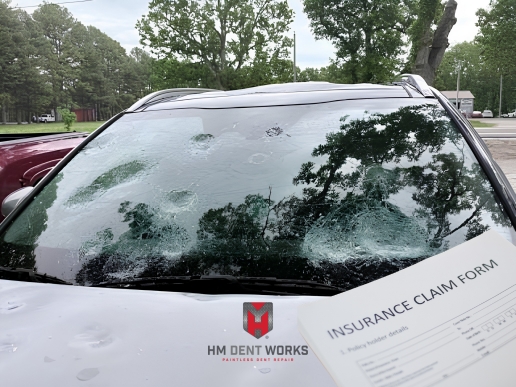
According to Drive Auto Body, specialized paintless dent repair (PDR) for minor dents typically requires just one to two days to physically complete, whereas severe structural unibody damage routinely grounds a vehicle in the shop for two to four weeks. Traditional repair methods often involve sanding, application of body filler, and repainting, which can be incredibly time-consuming and costly. In contrast, paintless dent repair eliminates the need for these multi-day steps by directly restoring the metal, maintaining the vehicle's factory finish. This is particularly advantageous for small to medium dents where the paint surface has not been compromised by hail damage, minor door dings, or runaway shopping carts.
Optimizing Turnaround and Speed
One of the major advantages of paintless dent repair is the speed at which technicians can assess damage and provide quotations. Unlike traditional methods that may require disassembly or detailed inspection, professionals can quickly evaluate the feasibility of repairs using portable tools. This streamlined assessment process enables consumers to receive accurate cost estimates on the spot. In conjunction with digital technology, customers can even submit photos for a preliminary evaluation, enhancing convenience. Rapid assessments align perfectly with modern consumer expectations for quick and efficient service delivery.
The entire repair procedure is inherently designed to be efficient, minimizing the steps required to restore a vehicle to its original condition. Technicians utilize an array of specialized tools to rapidly address minor dents without the need for paint matching or extensive labor. This efficient repair procedure reduces the amount of disassembly and reassembly required, cutting down on labor time and associated costs. The ability to perform repairs directly without fillers or primers highlights the streamlined nature of the process. Ultimately, this benefits both technicians, who can handle more repairs, and customers, who gain faster access to their vehicles.
Enhancing Consumer Convenience
One of the standout convenience factors of paintless dent repair is the widespread availability of on-site mobile repair services. Many professionals provide mobile operations, traveling directly to a customer's home or office to perform the necessary restorations. This mobile capability negates the need for vehicle owners to drop off their cars and arrange a ride back. Offering such flexibility aligns with consumer preferences for personalized, accessible, and hassle-free automotive care services. Additionally, on-site repairs reduce logistical challenges and save valuable time for both the customer and service provider.
Services are also increasingly leveraging mobile technologies to further streamline the customer service pipeline. Advanced mobile apps allow customers to schedule appointments, submit photos for instant digital assessments, and receive real-time updates regarding their repair status. This digital integration enhances communication and provides customers with transparent information at their fingertips. By embracing mobile technologies, repair operations can reach a broader audience and increase overall operational efficiency. Such integration positions modern dent repair as a technology-driven solution catering to the needs of tech-savvy consumers.
Evaluating Economic Benefits
Economic consideration is a critical factor driving the increased adoption of paintless dent repair throughout the automotive sector. Compared to conventional techniques involving extensive repainting and body filler application, this method is significantly more cost-effective. By eliminating the need for expensive materials, specialized paint booths, and excessive labor hours, services offer competitive pricing without sacrificing quality. Consumers realize substantial cost savings when opting for this approach, making it an appealing alternative for out-of-pocket expenses or managing insurance deductibles.
Paintless dent repair plays a crucial role in retaining vehicle value, a key consideration for owners looking to maximize their future resale potential. By preserving the original factory paint and avoiding traditional filler and repaint procedures, vehicles maintain their factory finish and structural integrity. This undisturbed finish helps in achieving better resale values compared to vehicles that underwent invasive body alterations. For luxury and leased vehicles, maintaining original paint is essential in protecting investment value and avoiding costly lease-return penalties.
Mitigating Environmental Footprints
Paintless dent repair is globally recognized for its positive environmental impact, particularly in reducing chemical use and toxic emissions. Traditional dent repair often involves the extensive use of solvents, chemical primers, paints, and fillers that contribute to air pollution and hazardous waste. By eliminating these materials from the repair process entirely, technicians minimize the release of volatile organic compounds (VOCs) into the atmosphere. This significant reduction aligns perfectly with global efforts to decrease automotive-related environmental footprints.
The avoidance of repainting results in significant reductions in automotive paint and solvent usage. Traditional repairs require new paint applications, involving chemical mixing, spraying, and baking processes that consume immense electrical energy. By preserving the original paint, paintless dent repair supports an eco-friendly alternative that minimizes dependency on manufactured chemical products. This conscientious approach reduces workplace chemical exposure and lowers the carbon footprint associated with paint production, shipping, and hazardous material disposal.
Navigating Limitations and Innovations
Despite its numerous advantages, the process has notable limitations that must be considered by vehicle owners. One primary constraint is its effectiveness on severe damage repairs, where the underlying structural unibody integrity of the vehicle is compromised, or the metal is torn. In such cases, traditional collision repair methods remain necessary to address critical safety components that require extensive structural intervention. Understanding these physical limits is essential for customers and service providers to ensure the vehicle is safely and correctly restored to pre-accident condition.
The success of the repair relies heavily on the skill, experience, and training of the technicians performing the service. Unlike traditional repair techniques that can hide imperfections under body filler and paint, this process requires meticulous tactile precision and a comprehensive understanding of metal memory. Technicians must undergo intensive, specialized training to master the tool angles and pressure control required. Investing in ongoing training and skill development is crucial to ensuring high-quality service delivery across evolving vehicle architectures.
For the industry to address its challenges and reach its full potential, continuous innovations in technique and technology are vital. Research into advanced tools, specialized access tips, and ergonomic pulling systems will broaden the scope of what technicians can achieve, including addressing more complex, deeply creased damage. Utilizing evolving technologies such as digital scanning tools may further refine the precision and accessibility of the process. For more information about the services that we offer, reach out to our incredible team at HM Dent Works today!