August 13, 2026
Why Gap Insurance Really Matters, Even If Your Car Just Has a Few Dents
When most people think about a totaled vehicle, they picture a severe accident with major damage. What surprises many vehicle owners is that a car can sometimes be declared a total loss even when it still runs, drives, and appears repairable.
For drivers in Springfield, MO, Republic, MO, Nixa, MO, Ozark, MO, Willard, and throughout Southwest Missouri, this is especially important to understand. Hailstorms, severe weather, and unexpected accidents can create repair costs that add up quickly, even when the damage seems mostly cosmetic.
At HM Dent Works, we specialize in Paintless Dent Repair (PDR) and Hail Damage Repair, and we regularly help customers navigate insurance claims after storms. While many vehicles can be successfully restored, there are situations where the insurance company decides repairing the vehicle no longer makes financial sense.
That's where Gap Insurance can make a significant difference.
What Does It Mean When a Vehicle Is Totaled?
A vehicle is considered a total loss when the insurance company determines that repairing it would cost too much compared to the vehicle's current value.
When evaluating a damaged vehicle, insurance companies generally look at two key factors:
- The cost to repair the damage
- The vehicle's current market value, often referred to as Actual Cash Value (ACV)
If repair costs approach or exceed a certain percentage of the vehicle's value, the insurer may decide to total the vehicle rather than repair it.
This can happen even when:
- The vehicle still runs well
- The engine and drivetrain are in good condition
- The damage appears mostly cosmetic
- The vehicle looks repairable to the owner
Many vehicle owners are surprised to learn that a totaled vehicle is not always a destroyed vehicle.
How Insurance Companies Determine Actual Cash Value
Many people assume insurance companies simply look up the original purchase price when evaluating a vehicle. In reality, Actual Cash Value is based on what the vehicle was worth immediately before the damage occurred.
Factors that commonly influence ACV include:
- Vehicle age
- Mileage
- Overall condition
- Previous damage history
- Local market trends
- Comparable vehicle sales in the region
This is important because a newer vehicle with lower mileage may justify significant repairs, while an older vehicle with high mileage may reach total-loss thresholds much sooner, even when the damage appears moderate.
Why Hail Damage Can Lead to a Total Loss
In Southwest Missouri, hail damage is one of the most common reasons people contact HM Dent Works.
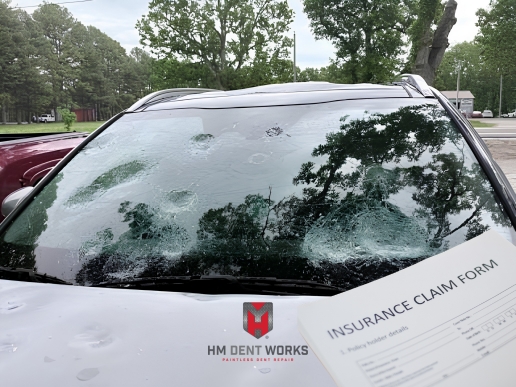
Following the April 28 hailstorm that impacted portions of Springfield and Republic, many vehicle owners found themselves dealing with insurance claims, repair estimates, and questions about whether their vehicles would be repaired or declared a total loss.
A single hail dent may not seem significant. However, severe storms can leave vehicles with damage across:
- Roof panels
- Hoods
- Deck lids
- Doors
- Fenders
- Quarter panels
When dozens or even hundreds of dents are involved, repair costs can increase quickly.
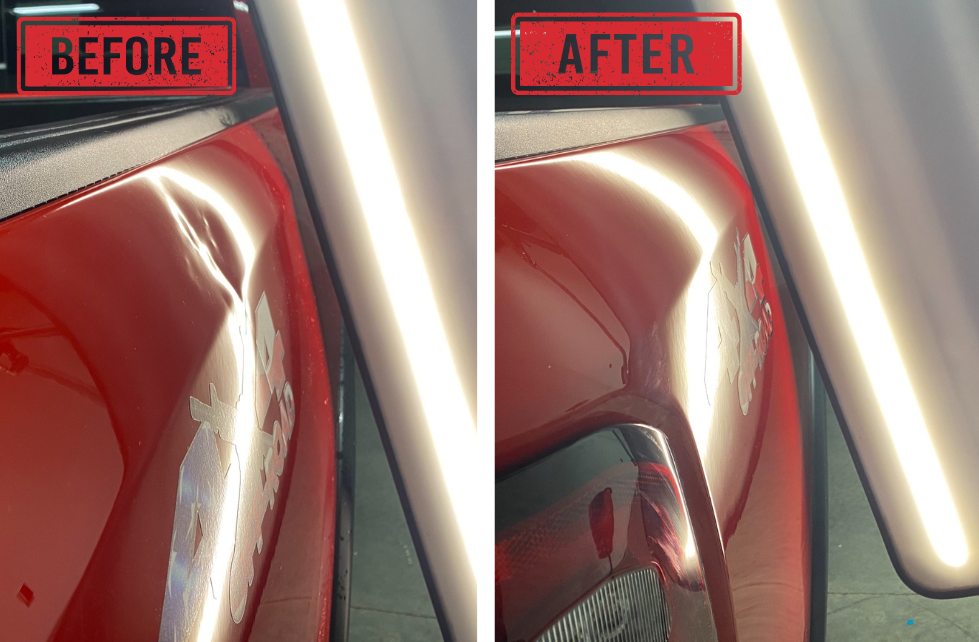
In many situations, Paintless Dent Repair offers an effective solution that preserves the original factory finish. However, depending on the vehicle's age, mileage, condition, and market value, the insurance company may determine the cost of repairs exceeds what makes financial sense.
That is when Gap Insurance becomes particularly important.
Understanding Vehicle Depreciation
One of the biggest reasons Gap Insurance exists is because vehicles often lose value faster than loan balances decrease.
For example, a vehicle purchased for $35,000 may only be worth $28,000 a year later, while the loan balance remains closer to $32,000. In that situation, the owner owes more than the vehicle is worth.
This gap can occur because of depreciation, small down payments, long loan terms, or rolled-over loan balances.
What Is Gap Insurance?
Gap Insurance stands for Guaranteed Asset Protection.
It is designed to help cover the difference between:
- What your vehicle is worth at the time of a total loss
- What you still owe on your loan or lease
Without Gap Insurance, you may be responsible for paying that difference yourself.
Example
Let's say:
- You owe $28,000 on your auto loan.
- The insurance company determines your vehicle is worth $23,000.
- The vehicle is declared a total loss.
That leaves a difference of $5,000.
Without Gap Insurance, you may still be responsible for paying that balance even though you no longer have the vehicle.
Gap Insurance is designed to help cover that financial gap.
Could Your Vehicle Be at Risk of Being Totaled?
Every claim is unique, but certain factors can increase the likelihood of a total-loss determination.
These may include:
- Older vehicles with lower market values
- High-mileage vehicles
- Extensive hail damage across multiple panels
- Previous vehicle damage
- Significant depreciation
- Repair costs approaching the vehicle's current value
A professional inspection can help identify the extent of damage and provide a clearer understanding of potential repair options.
Why Older Vehicles Face Greater Total-Loss Risk
Vehicle value plays a major role in total-loss decisions.
For example, a newer vehicle worth $40,000 may justify extensive repairs because the repair costs remain well below the vehicle's market value. However, a vehicle worth $6,000 to $8,000 may reach total-loss thresholds much faster.
This is especially common after hailstorms. A vehicle covered in dents may still run perfectly and remain mechanically sound, but if repair costs approach its value, the insurance company may determine that a total-loss settlement is the more practical option.
Who Should Consider Gap Insurance?
Gap Insurance is often worth discussing if you:
- Recently purchased a new vehicle
- Made a small down payment
- Have a long-term auto loan
- Rolled previous debt into a new loan
- Lease your vehicle
Understanding Your Repair Options After Hail Damage
If your vehicle has sustained hail damage, the first step is obtaining a professional evaluation.
Depending on the severity of the damage, repair options may include:
- Paintless Dent Repair
- Traditional body repair
- Insurance-supported hail damage restoration
For many qualifying vehicles, Paintless Dent Repair remains one of the most effective ways to restore hail damage while preserving the original factory finish.
The Bottom Line
Gap Insurance can help protect vehicle owners from an unexpected financial obligation when the amount owed on a vehicle exceeds what the insurance company determines the vehicle is worth.
Understanding how total-loss decisions work, how Actual Cash Value is calculated, and whether Gap Insurance makes sense for your situation can help you make better decisions before a claim occurs.
Contact HM Dent Works
HM Dent Works proudly serves Springfield, Republic, Nixa, Ozark, Willard, Greene County, Christian County, and surrounding Southwest Missouri communities with professional Paintless Dent Repair, Hail Damage Repair, Door Ding Repair, and dent removal services.