January 19, 2026
Choosing the right method for dent repairs is more than just a cosmetic choice—it directly affects your vehicle’s safety, longevity, and overall value. From minor dings to more severe body damage, understanding the available repair options ensures that your investment is both protected and visually restored. With techniques ranging from paintless dent repairs to traditional bodywork, each approach offers distinct advantages depending on the extent, location, and nature of the damage. This article breaks down the essential factors to consider when choosing a repair solution, helping you make informed, cost-effective decisions that preserve both performance and appearance. Making the right choice early can prevent small issues from escalating into more expensive problems later.
Understand the Benefits of Paintless Dent Repair
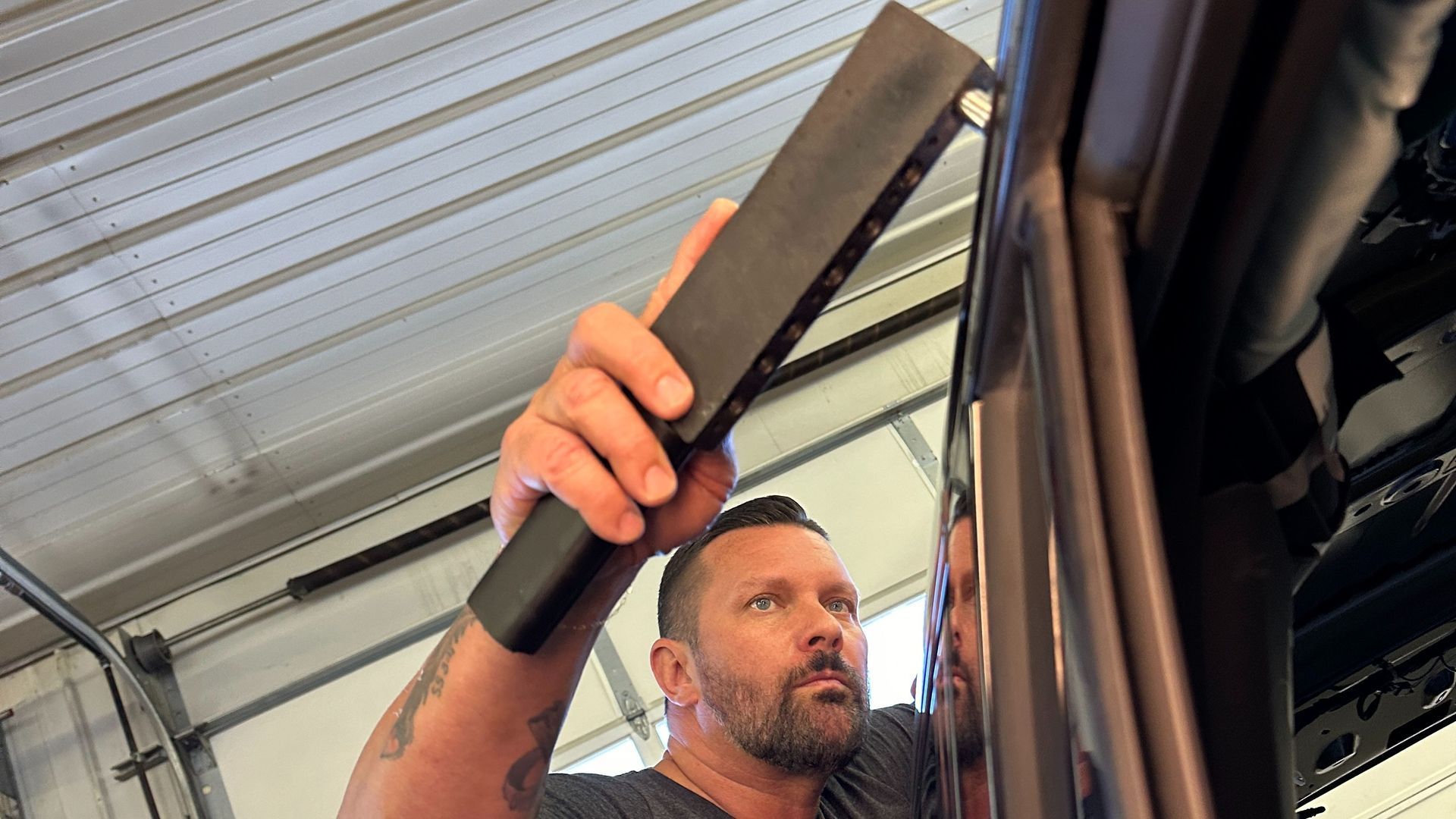
Paintless Dent Repair (PDR) is a technique that restores a vehicle's bodywork without affecting the paint finish. It involves using specialized tools to gently push the dented metal back into its original shape. This method is ideal for minor dent repairs and creases, maintaining the vehicle's original factory paint. The absence of paint and body fillers makes PDR a cost-effective solution, preserving the car's resale value. Although highly effective for small dent repairs, PDR may not be suitable for larger damage or that involving scratches and paint scuffs. Understanding when PDR is appropriate ensures that repairs are both efficient and long-lasting.
Explore the Advantages of Traditional Dent Repair
Traditional dent repairs involve the use of body fillers, sanding, and repainting to restore a vehicle's surface. This process is typically more labor-intensive, combining art and skill to match the vehicle's original finish. Common for more significant damage, this method requires a more in-depth approach, including the application of primers and paints. While providing comprehensive repairs, traditional methods can be more time-consuming and costly than PDR. Critical analysis is crucial to deciding if this method aligns with your repair needs and budget. When done correctly, traditional dent repairs can completely rejuvenate a vehicle’s appearance and performance. According to IBISWorld, the market size of the auto body shops industry in the U.S. is valued at over $73 billion as of 2025, underscoring the growing demand for professional dent repair services that maintain both safety and value.
Evaluate the Size and Depth of the Dent
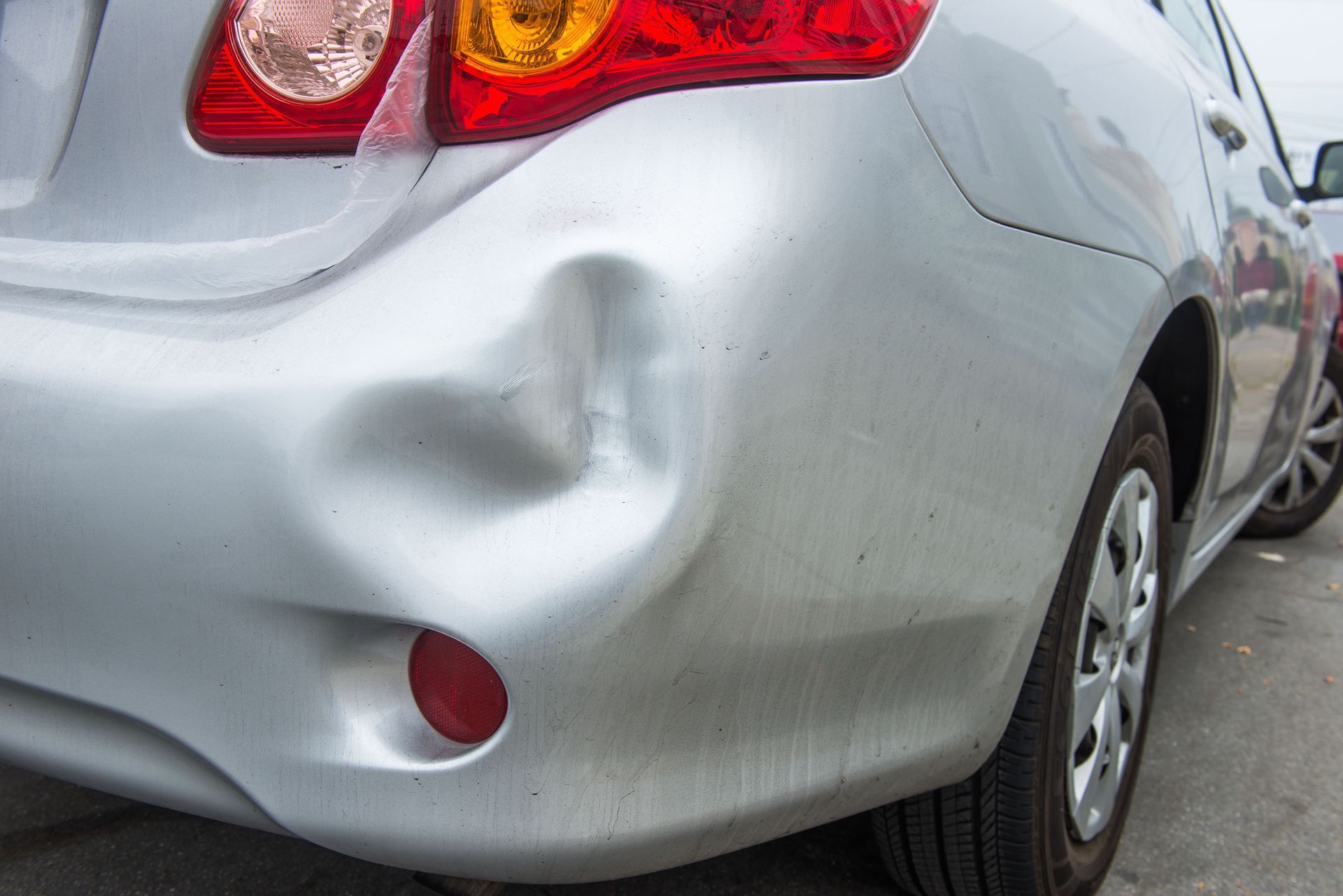
Evaluating the size and depth of the dent is crucial in determining the appropriate repair approach. Minor dents are more suited to PDR, where the underlying paint remains unharmed. Conversely, more significant and deeper dents often necessitate traditional repair methods, requiring extensive bodywork. Proper assessment guides the decision-making process, aligning repair techniques with the severity of the damage. This strategic evaluation ensures that results meet expectations both aesthetically and structurally. Taking the time for a professional assessment helps guarantee that the chosen repair method delivers lasting results.
Consider the Dent’s Location on the Vehicle
The position of a dent on a vehicle significantly influences repair strategy. Dents on accessible, flat panels are ideal candidates for PDR, particularly where flexibility allows easy access. Conversely, traditional repair methods might be required for complex areas, such as creased panels or quarters. The location also impacts labor costs, which can escalate if the disassembly of surrounding components is necessary. Recognizing these nuances helps inform a balanced and cost-efficient repair decision. Being aware of how location affects repair complexity can help vehicle owners plan more accurately for both time and budget.
Assess the Extent of Paint Damage
The degree of paint damage plays a pivotal role in repair planning. If paint remains intact, PDR becomes a viable and economical option, preserving original coatings. Paint damage necessitates traditional repair, involving color matching and blending techniques to restore appearance. This complexity impacts both cost and repair time, guiding informed choice. Factoring in paint condition ensures that chosen dent repairs neither exceed requirements nor fall short, optimizing results. Consulting a repair specialist can further confirm whether repainting or restoration is the most effective solution.
Prioritize Vehicle Safety During Repair Decisions
Leaving dents unaddressed can compromise vehicle safety, potentially affecting structural integrity. Even minor dents can have hidden consequences, such as damage to internal components, including sensors or airbag systems. Ensuring a complete assessment of the damage's impact on safety is crucial during the repair choice. Choosing the correct method not only addresses surface aesthetics but also preserves underlying structural soundness. Prioritizing safety in vehicle repair decisions underscores the importance of reaching beyond visual considerations. A thorough safety inspection ensures that your vehicle remains roadworthy and reliable long after repairs are completed.
Maintain Your Vehicle After Repairs
Post-repair maintenance contributes significantly to preserving a vehicle's condition and prolonging repair effects. Regular cleaning prevents debris accumulation, maintaining surface integrity against pollutants. Applying protective coatings, such as wax, shields repaired areas, enhancing resistance and promoting longevity. Following repair-specific care instructions maximizes results, limiting potential regression. Prioritizing maintenance empowers vehicle owners to safeguard investments, retaining optimal vehicle aesthetics and function consistently. Consistent care not only keeps the vehicle looking great but also extends the lifespan of professional dent repairs.
Monitor for New Damage Regularly
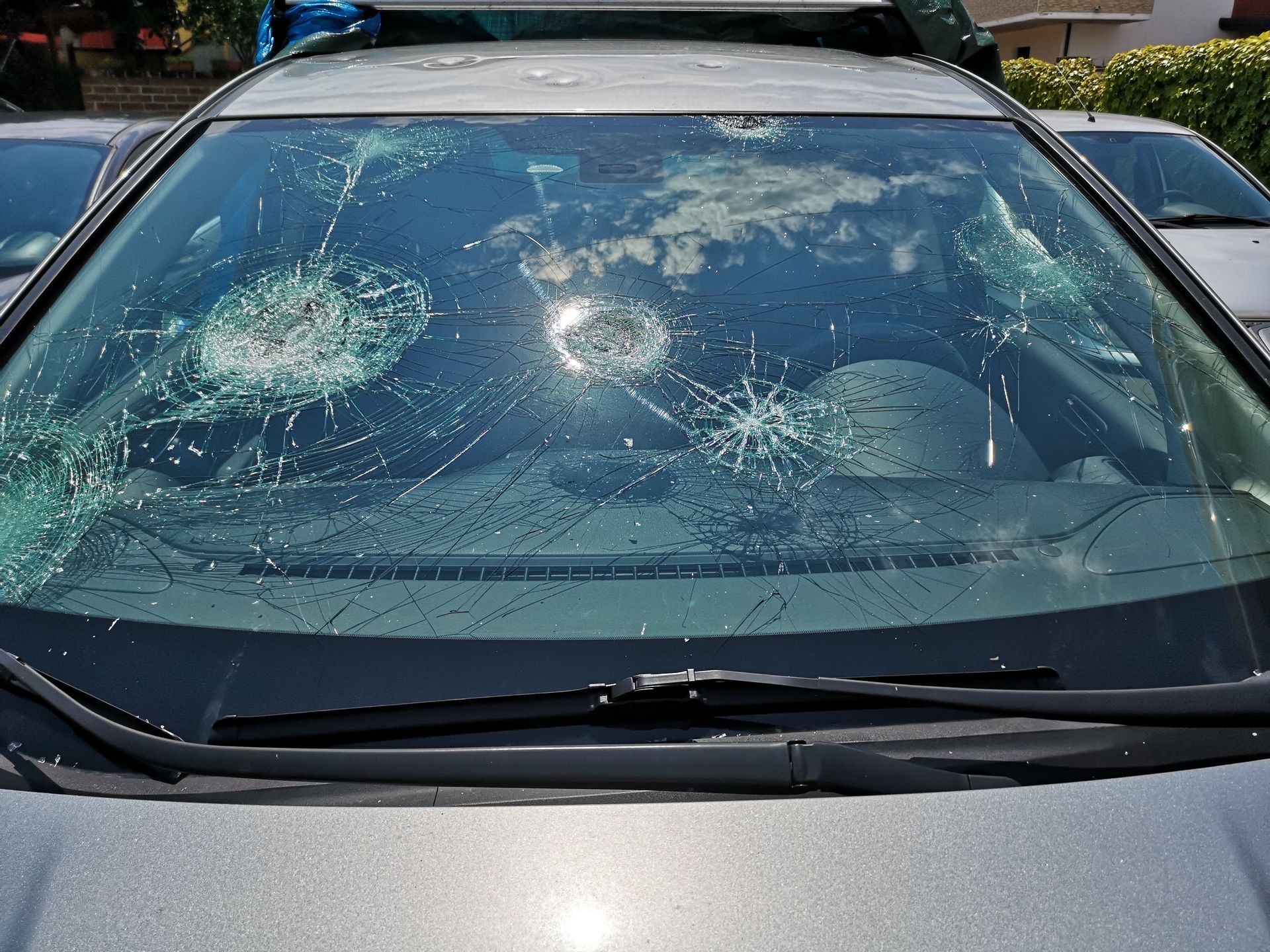
Continual vigilance underpins damage prevention and identifies potential issues before escalation. Regular inspections, particularly after environmental exposures like hailstorms, help detect new dents sooner. Swift response to additional damages prevents further complications, enabling timely professional intervention when needed. Maintaining open communication with repair providers ensures ongoing support, advice, or necessary adjustments. Investing in proactive monitoring cultivates sustained vehicle care quality and potentially averts future substantial repairs. Staying attentive to your vehicle’s condition ensures lasting performance and helps you address issues before they worsen.
Protect Your Vehicle’s Resale Value
Quality dent repairs substantially influence vehicle resale value, both validating and preserving lived value retention. Comprehensive, professional corrections align newer vehicles with optimal conditions, attractive to discerning buyers. Conversely, visible damage or substandard repairs potentially devalue a vehicle, jeopardizing resale negotiations. Ensuring repair documentation availability bolsters credibility and substantiates value maintenance when listing for sale. Strategic emphasis on thorough repairs maximizes both immediate use and future resale potential. Properly documented and high-quality repairs can make your vehicle stand out in a competitive market.
Implement Preventative Measures to Avoid Future Damage
Implementing preventative measures offers meaningful foresight towards environmental wear and road exposure. Examples, such as parking strategically or using protective covers, mitigate risks presented by natural elements like ice or sunlight. Investing in impact accessories, like side molding, diminishes routine and low-impact incidents. Remaining proactive in protection maintains vehicle conditions, enhancing both immediate use and sustained market value. Recognizing protective approaches teaches owners insightful strategies towards enduring vehicle maintenance. These small but consistent efforts can significantly reduce the need for future dent repairs.
Choosing the ideal method of dent repairs requires balancing practical needs, repair quality, and long-term value. By assessing factors such as paint condition, damage location, and repair complexity, vehicle owners can avoid unnecessary expenses while ensuring safe, lasting results. A proactive approach—combining routine maintenance, timely inspections, and preventive care—extends the life of repairs and maintains the car’s appeal over time. Ultimately, making informed choices turns vehicle maintenance into a thoughtful investment, reinforcing reliability, aesthetics, and resale potential for years to come. With proper care and professional guidance, vehicle owners can preserve both the appearance and the market value of their cars well into the future. Reach out to HM Dent Works today to learn more about our services and your options!