February 3, 2026
Hail damage is a common issue that many car owners face, yet there are numerous myths surrounding the repair process and its implications. In this article, we debunk the top 10 myths about hail damage and dent repair, providing you with the facts you need to make informed decisions. Understanding the realities of hail damage repair helps vehicle owners act promptly, protect their investment, and avoid unnecessary expenses caused by misinformation.
Myth 1: Hail Damage Is Always Visible
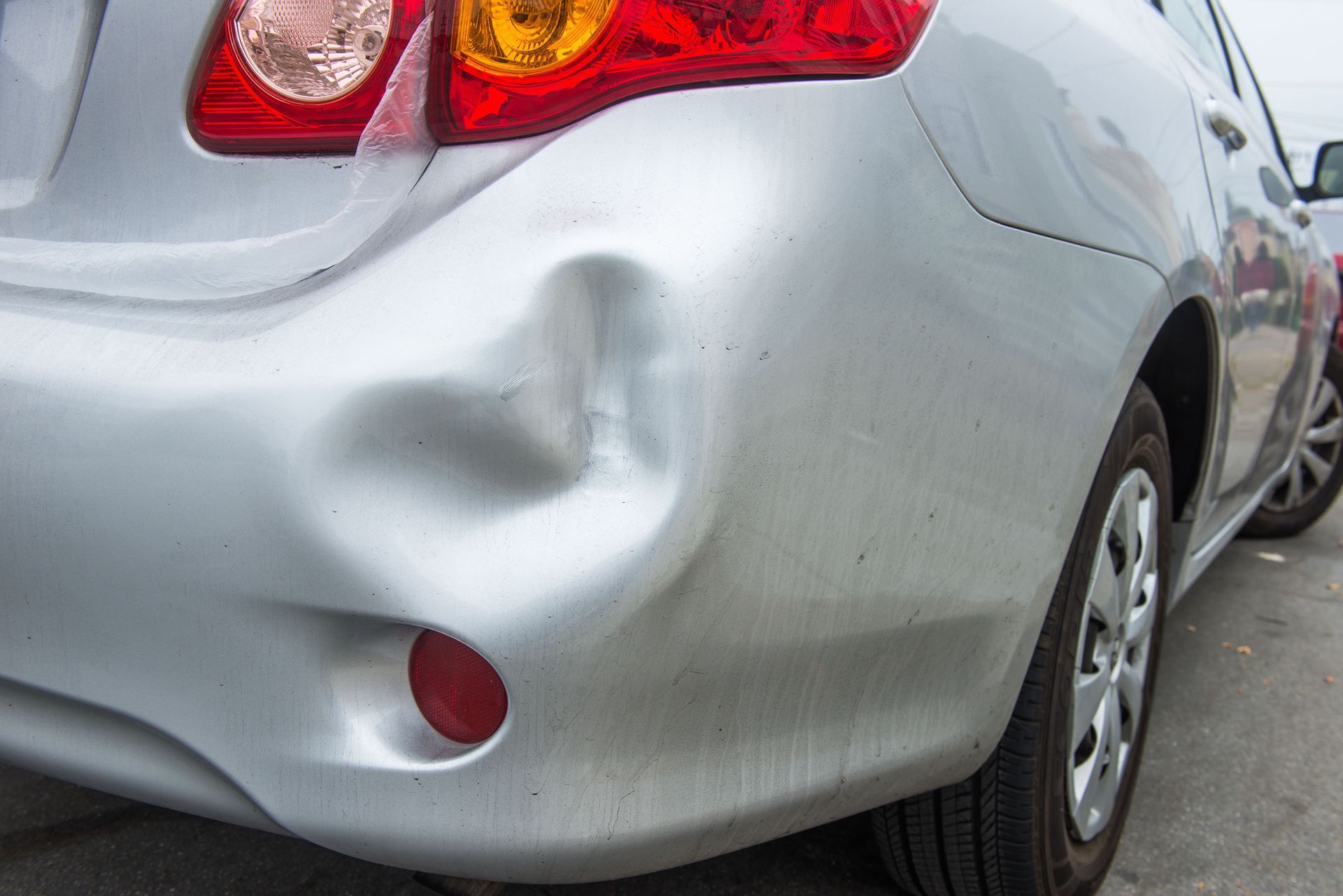
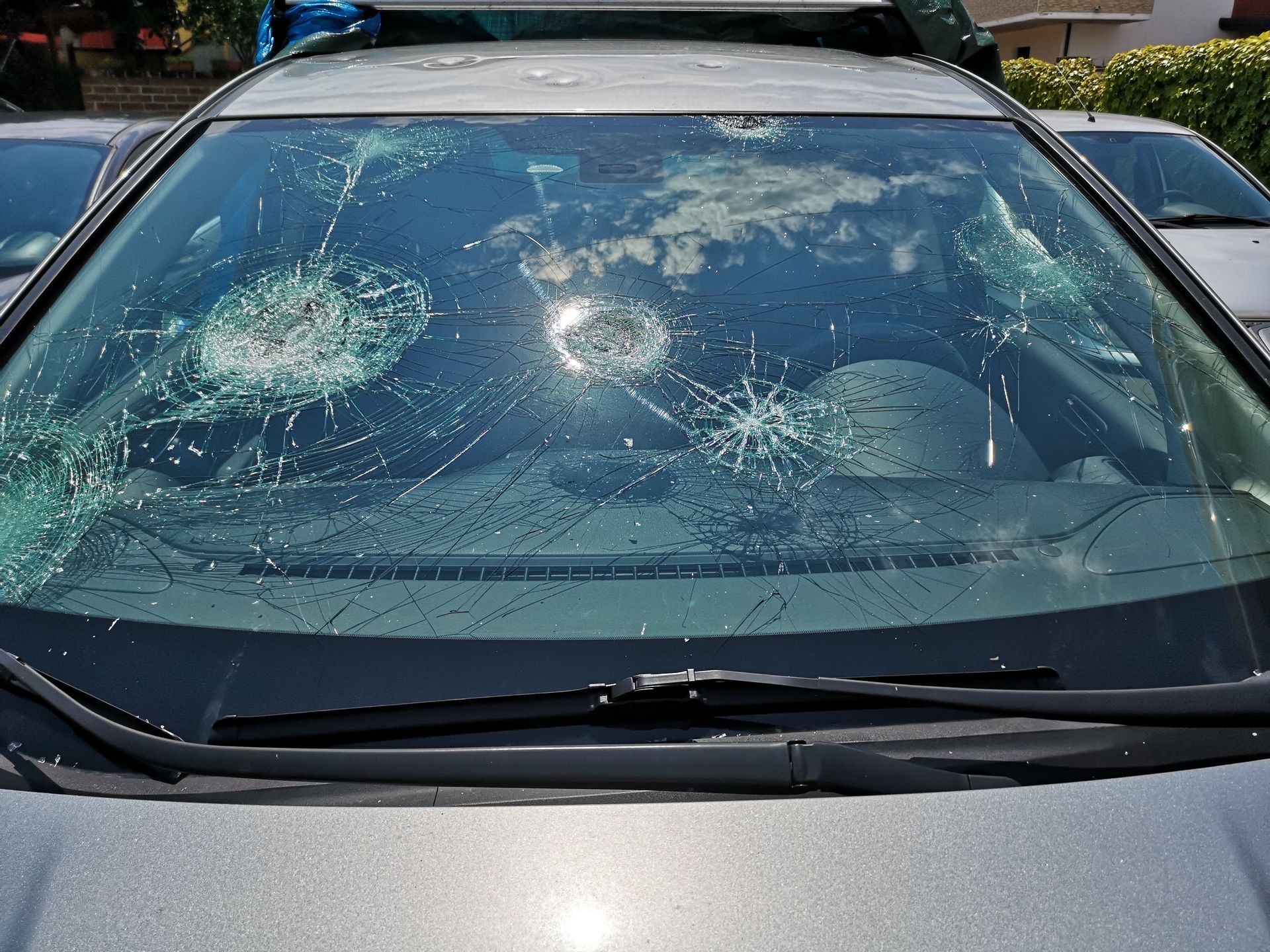
While many assume that hail damage is easily noticeable, this is not always the case. Some dents are obvious at first glance, while others are subtle and only detectable under specific conditions. Knowing how damage presents itself is critical when evaluating whether professional hail damage repair may be necessary.
Superficial dents may be evident, but deeper structural impacts are often hidden beneath the surface. These concealed issues can weaken panels over time and contribute to paint failure or corrosion. Early inspections help prevent minor problems from escalating into costly repairs.
Lighting plays a significant role in detection. Under poor lighting, small dents can blend into the body lines of the vehicle. Natural sunlight or specialized inspection lights make it easier to identify imperfections that otherwise go unnoticed.
Proper inspection starts with a clean vehicle and a methodical approach. Viewing the car from multiple angles and gently running your hands along panels can reveal irregularities. Areas such as the roof, hood, trunk, and door panels are especially vulnerable and should never be overlooked.
Vehicle color also affects visibility. Light-colored paint often highlights dents more easily, while darker finishes can conceal them. Regardless of color, routine professional evaluations help ensure all damage is identified and addressed.
Myth 2: Minor Dents Aren’t a Big Deal
Small dents may seem insignificant, but ignoring them can lead to long-term consequences. What starts as a cosmetic flaw can gradually compromise paint protection and expose bare metal. Addressing issues early through hail damage repair can prevent more serious deterioration.
Over time, moisture can seep into dented areas, increasing the risk of rust and corrosion. Once corrosion begins, it often spreads beyond the original damage, requiring more extensive restoration. Proactive repairs preserve both appearance and structural integrity.
Minor dents also affect resale value. Prospective buyers frequently interpret visible damage as a sign of poor maintenance. Even small imperfections can reduce buyer confidence and negotiating leverage during a sale.
From a safety perspective, dents in key structural areas may weaken the vehicle’s ability to absorb impact forces. While not always obvious, these vulnerabilities can influence performance during future collisions.
Insurance considerations also come into play. Unaddressed damage may be viewed as neglect, potentially complicating future claims. Keeping vehicles in good condition supports smoother interactions with insurers.
Myth 3: DIY Repair Kits Offer Professional Results
DIY dent repair kits are widely marketed as quick fixes, but their effectiveness is limited. These kits are typically designed for shallow dents and require precision that many users lack. Attempting hail damage repair without proper training can lead to disappointing results.
Professional technicians use specialized tools, controlled techniques, and experience to restore panels accurately. DIY methods often leave uneven surfaces or damage surrounding paint, reducing overall quality.
There are also risks associated with improper repairs. Excessive force, incorrect angles, or low-quality tools can worsen dents or create new issues. In many cases, professional intervention is required to correct DIY mistakes.
While DIY kits may appear cost-effective initially, errors can increase total repair costs. Paint damage or stretched metal often requires advanced repair methods, negating any short-term savings.
Knowing when to seek professional help is essential. For extensive or complex damage, expert service ensures reliable, long-lasting results.
Myth 4: Insurance Won’t Cover Hail Damage Claims
Many drivers mistakenly believe hail damage is excluded from insurance coverage. In reality, comprehensive policies typically include coverage for weather-related events, including hail damage repair.
Understanding policy terms is key. Reviewing coverage details before storms occur allows vehicle owners to act confidently when filing claims. Documentation, including photos and notes, supports a smoother claims process.
Prompt reporting is another critical factor. Delays can complicate evaluations and lead to disputes. Clear communication with insurers and repair professionals helps expedite approvals.
Claims may be denied if coverage is insufficient or reporting requirements are not met. Staying informed about exclusions and responsibilities reduces the likelihood of rejection.
Maximizing benefits involves proactive maintenance and timely action. Well-documented repairs and consistent upkeep support favorable insurance outcomes.
Myth 5: All Dent Repair Methods Are the Same
Dent repair methods vary widely, and each serves a specific purpose. Paintless dent repair is ideal for minor damage and preserves the original finish, while traditional methods address more severe issues. Choosing the right hail damage repair approach depends on the extent and location of damage.
Each technique has advantages and limitations. Paintless methods are efficient and cost-effective but unsuitable for cracked paint or deep dents. Traditional repairs can restore heavily damaged panels but often require more time.
Advancements in technology continue to improve repair precision. Modern tools and techniques allow technicians to achieve better outcomes with minimal disruption.
Selecting the appropriate method requires professional assessment. Vehicle material, damage severity, and budget all influence the best solution.
Real-world success stories demonstrate the importance of matching repair methods to damage type. Informed decisions lead to optimal results and long-term satisfaction.
Myth 6: Hail Damage Repair Takes Forever
Repair timelines vary based on several factors, including damage severity and shop workload. While extensive damage may take longer, many cases are resolved efficiently with proper planning and communication.
Scheduling inspections promptly and choosing reputable repair facilities can significantly reduce delays. Clear documentation and organized insurance claims also help streamline the process.
According to AAA, there were over 27 million emergency roadside service calls in 2024 in the United States, highlighting how quickly vehicle issues can disrupt daily routines and why timely repairs matter.
During repair visits, transparent discussions about timelines and expectations foster trust. Reputable shops provide updates and realistic completion estimates.
Workload and available resources influence turnaround times, but experienced facilities often balance efficiency with quality. Selecting the right shop ensures dependable service.
Balancing speed and workmanship is essential. Quality repairs protect vehicle longevity and deliver better overall value.
Myth 7: Hail Damage Only Affects the Exterior
Many car owners believe hail damage is limited to visible exterior panels, but impacts can extend beyond the surface. Strong hailstorms may affect window seals, trim components, weather stripping, and even internal mechanisms such as sensors or cameras. These less obvious issues can compromise performance, safety systems, or cabin comfort if left unaddressed.
Water intrusion is another concern when seals or panel alignment are disrupted. Even minor misalignments can allow moisture to enter the vehicle, leading to electrical issues or interior deterioration over time. Comprehensive inspections help identify these secondary effects before they evolve into larger problems.
Modern vehicles rely heavily on integrated technology, making thorough evaluations especially important. Addressing both visible and hidden damage ensures the vehicle continues to function as designed and maintains long-term reliability.
Myth 8: Waiting Won’t Make the Damage Worse
Delaying repairs is a common mistake rooted in the belief that hail damage is purely cosmetic. In reality, postponing action can allow paint fractures to worsen, exposing metal to moisture and accelerating corrosion. What begins as a small imperfection can gradually expand into a larger repair issue.
Environmental exposure compounds the problem. Temperature fluctuations, road debris, and UV radiation can all intensify existing damage over time. These factors increase repair complexity and may limit available repair options if addressed too late.
Understanding the realities behind common myths empowers car owners to make informed choices. Accurate knowledge about inspections, insurance, and repair methods helps prevent costly mistakes and unnecessary stress. Contact our HM Dent Works today and learn more about our auto repair services.