Discovering hail damage on your vehicle can be a stressful and overwhelming experience. The sight of numerous dents, cracked windows, or chipped paint can leave any vehicle owner feeling uncertain about what to do next. However, you're not alone. There were 5,373 hail events across the U.S. in 2024 alone, according to the Insurance Information Institute.
Taking immediate and informed action is crucial for minimizing further damage, ensuring a smooth insurance claims process, and protecting your vehicle’s long-term value. By understanding the right steps to take after a hailstorm, you can approach the situation with confidence rather than frustration.
Assess the Damage
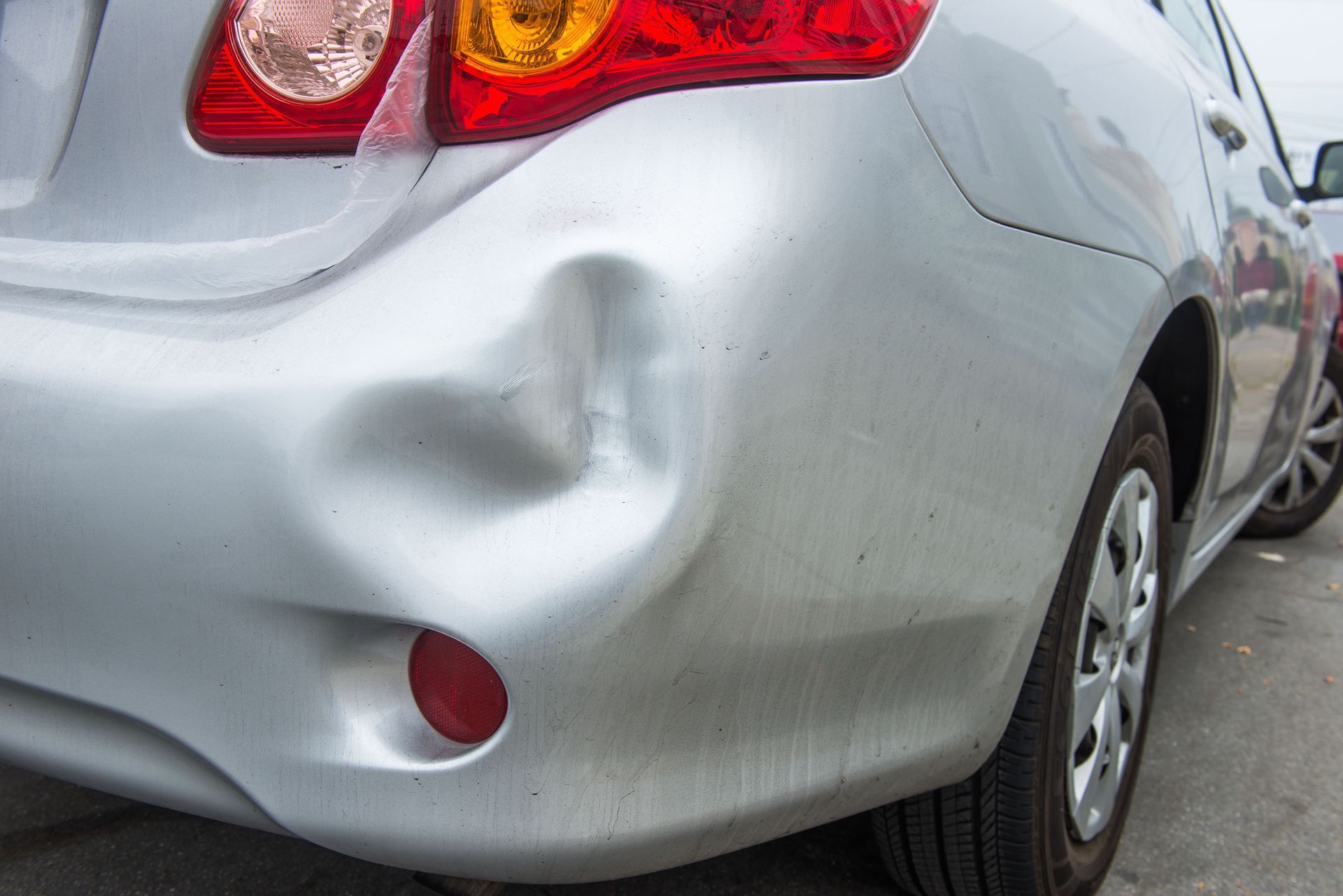
The first step after a hailstorm is to conduct a careful assessment of your vehicle. Hail can vary in size, and even small hailstones can leave behind tiny dents that may compromise your car’s structural integrity over time. Begin with a visual inspection of all exposed surfaces, paying particular attention to the roof, hood, trunk, and sides of your vehicle.
These areas are most often impacted during a storm. Use a flashlight if necessary to highlight smaller dents and areas of chipped paint. The more thorough your inspection, the better you will understand the full scope of the damage.
Hail damage is not always limited to the exterior. Sometimes, smaller dents may seem inconsequential, but if ignored, they can lead to rust or paint deterioration over time. Addressing these issues early is a proactive approach that can save time and money in the long run. Keeping a systematic approach—checking one section of the vehicle at a time—ensures no area is overlooked.
Document the Damage
Once the damage has been assessed, it is important to document everything meticulously. Take high-resolution photos and videos of all damaged areas from multiple angles. Wide shots can capture the overall extent of the damage, while close-ups highlight specific dents, chipped paint, or cracks. Label each image with the date and time to create a clear timeline for your records.
This documentation is essential for the insurance claims process. Clear evidence allows your insurance company to accurately assess the damage and process your claim more efficiently. A well-documented record can prevent disputes or delays and ensures that you have indisputable proof of the hail event’s impact on your vehicle.
Look for Hidden Damage
While visible dents are the most obvious sign of hail damage, some damage may not be immediately apparent. Hail can strike at odd angles, affecting areas under the hood or around mechanical components. Listen for unusual noises, check for fluid leaks, and monitor your vehicle’s performance after the storm. Small, overlooked problems can escalate into larger, more expensive repairs if not addressed promptly.
Consulting your vehicle’s manual can help identify parts that are vulnerable to hail-related damage. Components like windshield wipers, air vents, and external sensors may be affected even when the exterior looks mostly intact. Taking the time to investigate hidden damage now can prevent serious complications in the future.
Contact Your Insurance Provider
Notifying your insurance provider should be a priority after hail damage. Reporting the damage promptly initiates the claims process and establishes a documented timeline for the event. Provide your insurer with all relevant details, including photos, the date and duration of the hailstorm, and any professional assessments you have obtained.
Immediate reporting can help prevent delays if additional damage is discovered later. It also ensures your claim is handled quickly and accurately, giving you peace of mind during an otherwise stressful situation. Keeping clear and organized communication with your insurance provider can prevent misunderstandings and streamline your claim.
Seek Professional Assessment
A professional assessment is highly recommended when dealing with hail damage. Mechanics, auto body specialists, or insurance adjusters can identify issues that may not be visible to an untrained eye. This professional evaluation provides a detailed report that can guide you in choosing the best repair options.
Expert assessments are particularly important because they may reveal hidden damage that requires immediate attention. By understanding the full scope of necessary hail damage repairs, you can prioritize work efficiently and avoid unexpected expenses later. In regions prone to hailstorms, professional inspections are a wise investment for protecting your vehicle.
Explore Repair Options
Once the damage has been assessed, research your repair options carefully. Look for local auto body shops that specialize in hail damage repairs. Consider their experience, customer reviews, and familiarity with insurance claims. A reputable shop with expertise in hail damage repairs ensures high-quality results and smoother coordination with your insurer.
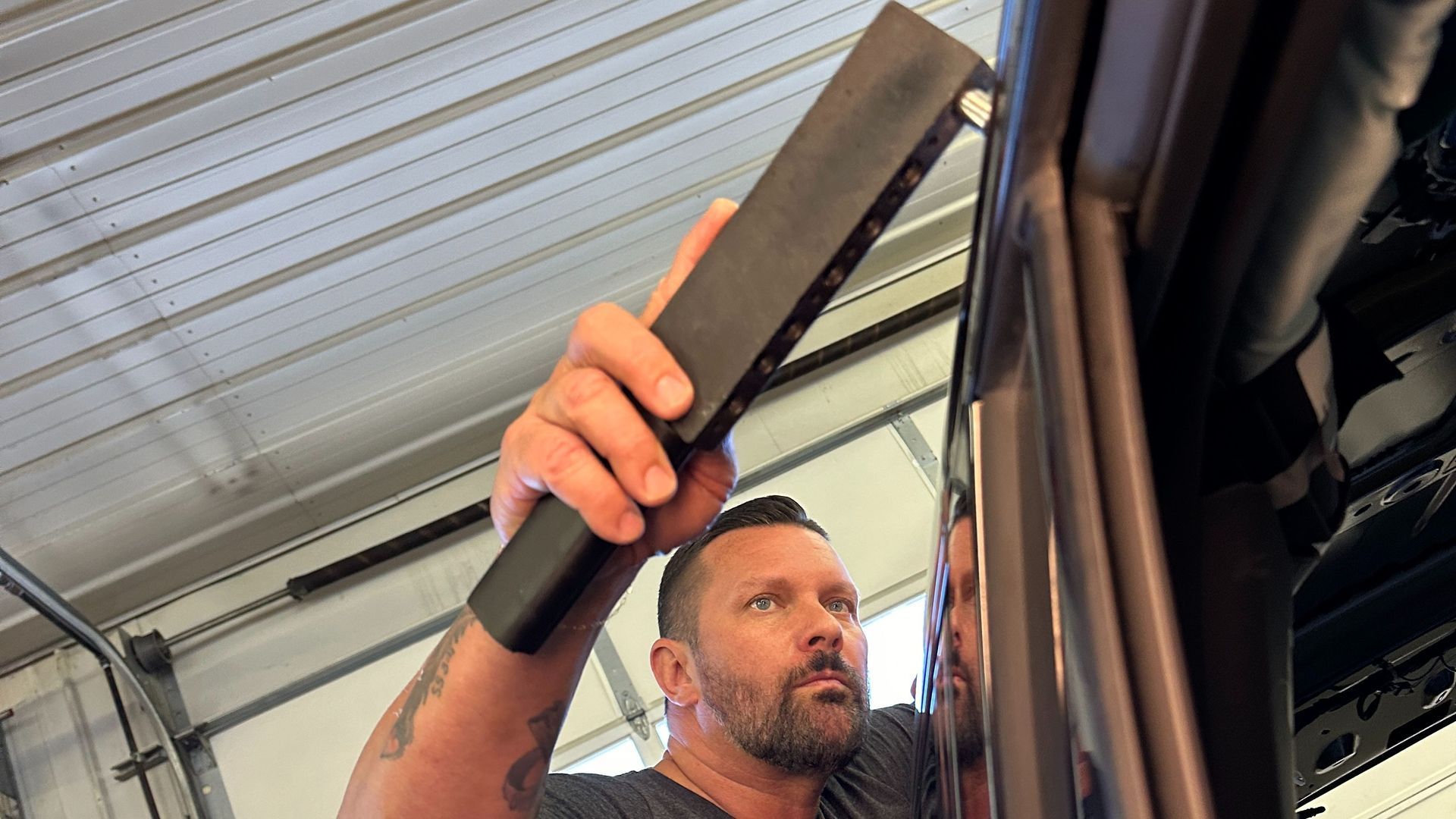
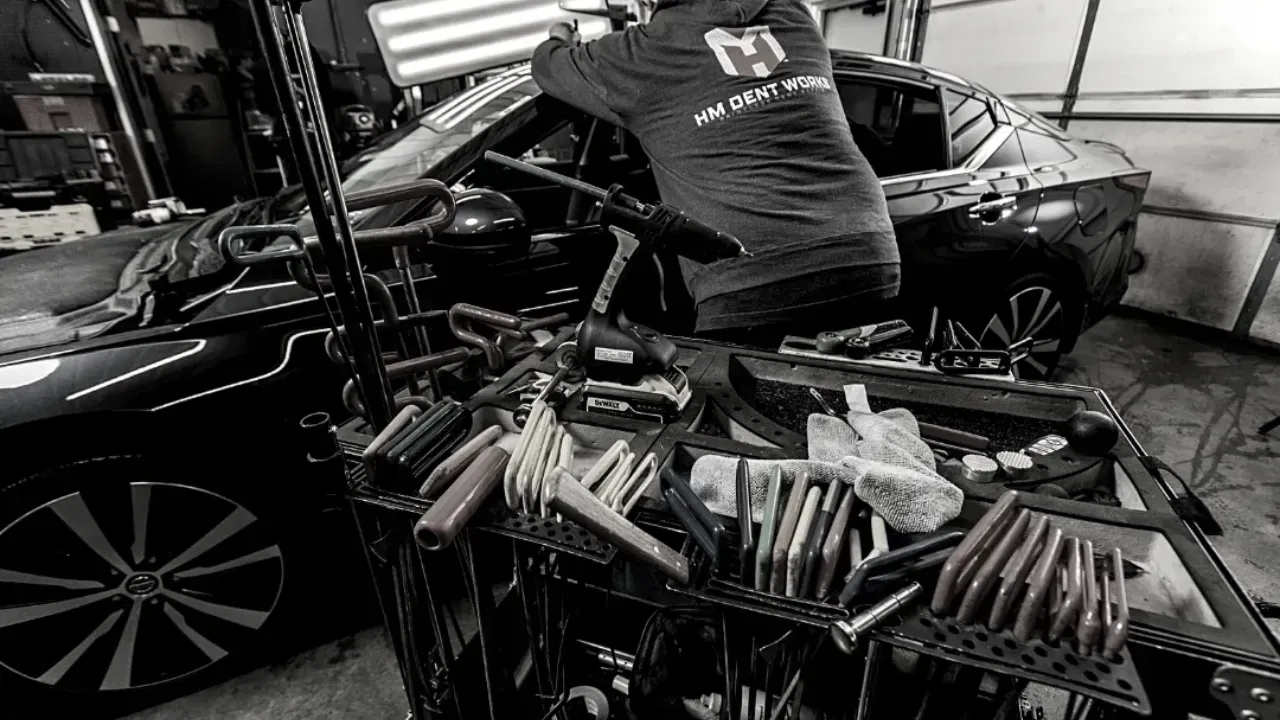
Paintless dent repair (PDR) is a cost-effective method for minor dents. This non-invasive technique can restore your vehicle’s body to its original condition without damaging the paint. PDR is faster, often less expensive, and preserves the aesthetics of your vehicle.
Obtaining multiple estimates from different repair shops allows you to compare pricing, service quality, and repair timelines. A thorough comparison ensures you receive fair pricing while maintaining high-quality workmanship. Choosing the right provider for hail damage repairs can have a lasting impact on your vehicle’s appearance and resale value.
Confirm Warranty and Coverage
Before authorizing any repairs, verify the warranty and guarantee policies offered by the repair shop. Warranties provide peace of mind by ensuring accountability in the event that issues arise after repairs are completed. Make sure you understand the terms, conditions, and duration of the warranty.
Additionally, review your insurance policy to confirm that it includes comprehensive coverage for hail damage. Understanding your coverage can prevent surprises and ensure you are financially protected against future storms. Knowing both your warranty and insurance coverage helps you make informed decisions regarding the scope and timing of hail damage repairs.
Prevent Future Damage
Taking preventive measures is a proactive approach to protecting your vehicle from future hailstorms. Whenever possible, store your vehicle in a covered area, such as a garage or carport, to shield it from direct hail impact. Specialized vehicle covers designed for hail protection offer an additional layer of safety when indoor storage is unavailable.
Advanced systems like hail tarps or inflatable car covers provide superior protection in areas prone to severe storms. Monitoring weather forecasts and acting quickly when hail is predicted can also prevent further damage. Investing in protective measures now can significantly reduce the need for extensive hail damage repairs in the future.
Manage Financial Considerations
Understanding the financial aspects of hail damage repairs is essential for avoiding unexpected costs. Review your insurance policy carefully to understand deductibles, covered expenses, and potential out-of-pocket costs. Establishing a contingency fund for unforeseen repair expenses ensures you can address all necessary repairs without financial stress.
Negotiating repair costs with shops is also a viable strategy. Many repair providers are open to discussion, especially when armed with multiple competitive estimates. Financing options may be available to cover larger repair costs, allowing you to complete necessary work promptly without destabilizing your finances. Tracking all expenses related to hail damage repairs ensures transparency and organization for future reference or insurance claims.
Reflect on Vehicle Resale Value
Hail damage and subsequent repairs can affect your vehicle’s resale value. Even high-quality
hail damage repairs may not fully restore a vehicle to its pre-storm condition in the eyes of prospective buyers. Maintaining thorough records of all repairs is essential to demonstrate transparency and responsible ownership.
Consulting a professional appraiser can provide an objective assessment of your car’s market value post-repair. Timing repairs strategically and documenting all work carefully can help mitigate potential depreciation. Being proactive in addressing damage and maintaining records positions you to achieve a fair resale price if you choose to sell or trade in your vehicle in the future.
Seek Out Hail Damage Repairs
Dealing with hail damage requires a combination of prompt action, careful assessment, and informed decision-making. By thoroughly assessing and documenting damage, contacting your insurance provider, seeking professional evaluations, and choosing reputable hail damage repairs, you can protect your vehicle and ensure its long-term value.
Preventive measures and financial planning further safeguard your investment, while meticulous records and strategic repair decisions maintain your car’s aesthetics and resale potential. Taking these steps allows you to navigate the aftermath of a hailstorm with confidence and peace of mind.
If you're in need of hail damage repairs, don't hesitate to reach out to the team that has the experience you need to restore your vehicle to its former glory: HM Dent Works. Contact us today to get started with our services.